

Blog
Tiny Prefab Homes: Affordable, Stylish, and Space-Saving Living Solutions

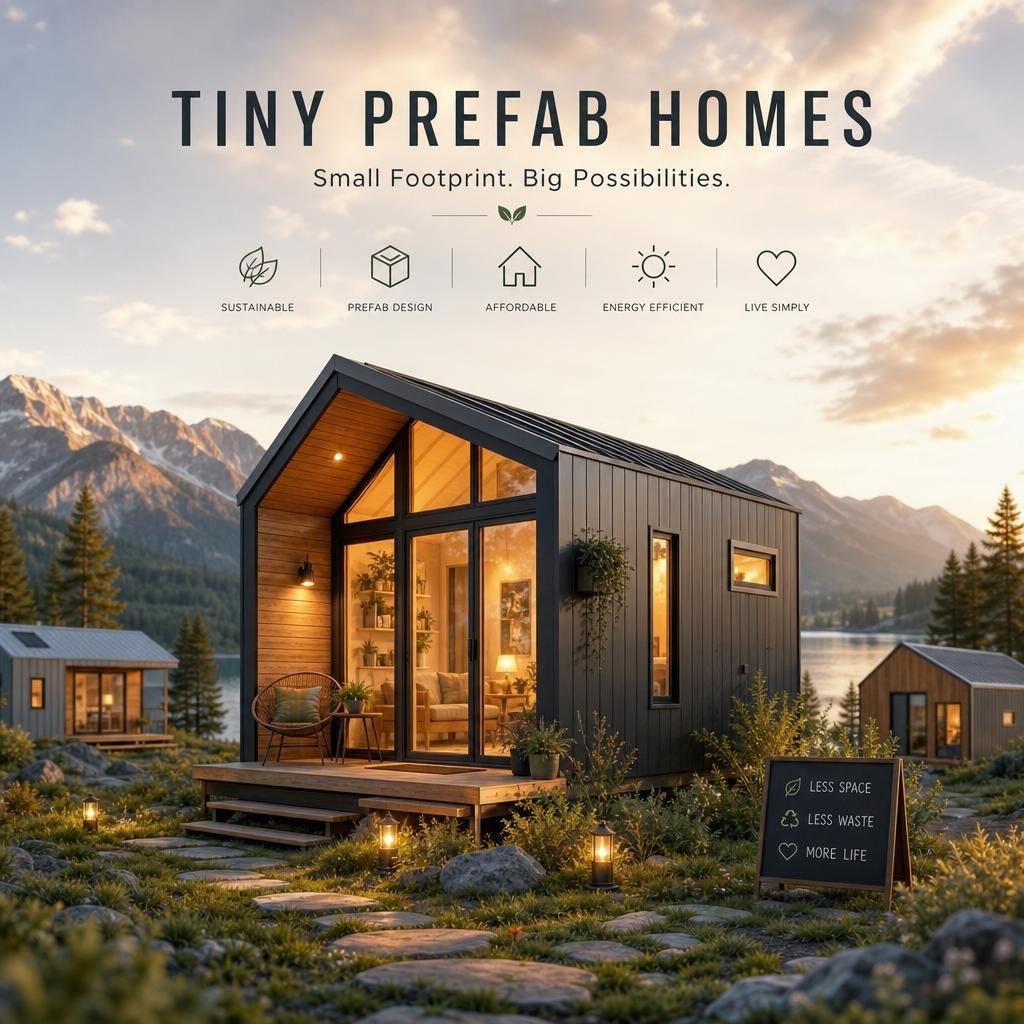
Tiny Prefab Homes: A Complete Guide to Affordable, Flexible, and Sustainable Living
Tiny prefab homes are changing the way people think about housing. Compact, efficient, and often more affordable than traditional construction, these small factory-built homes offer a practical solution for homeowners, retirees, remote workers, minimalists, and families looking for extra living space. Whether you are dreaming of a cozy full-time residence, a backyard guest house, a rental unit, or an off-grid retreat, prefab tiny houses can be a smart and stylish option.
As housing costs continue to rise, more people are exploring affordable tiny prefab homes as an alternative to conventional homes. These compact dwellings combine modern design with efficient construction methods, making them faster to build and easier to customize than many site-built houses. In this guide, we will explore what tiny prefab homes are, how they work, their benefits, costs, design options, zoning considerations, and practical tips for choosing the right model.
What Are Tiny Prefab Homes?
Tiny prefab homes are small homes that are partially or fully built in a factory before being transported to a final site. The word “prefab” is short for “prefabricated,” meaning that major parts of the home are manufactured off-site in a controlled environment. Once completed, the home or its components are delivered and assembled on a foundation, trailer, or prepared pad.
Most tiny prefab homes range from about 100 to 600 square feet, though some modular tiny homes and compact accessory dwelling units may be slightly larger. Despite their small footprint, they are designed to maximize every inch of space through smart storage, multifunctional furniture, lofts, open layouts, and efficient appliances.
Common Types of Tiny Prefab Homes
- Modular tiny homes: Built in sections or modules and assembled on-site, often on a permanent foundation.
- Tiny house kits: Shipped as pre-cut or panelized materials for buyers or contractors to assemble.
- Prefab cabins: Small factory-built cabins often used for vacation homes, studios, or off-grid living.
- Backyard tiny homes: Also known as ADUs, these are placed on existing residential lots as guest houses, rentals, or family housing.
- Tiny homes on wheels: Built on trailers and designed for mobility, although zoning rules vary widely.
Why Tiny Prefab Homes Are Growing in Popularity
The popularity of prefab tiny houses is not just a design trend. It reflects larger changes in lifestyle, finances, and housing needs. Many people want a simpler, more flexible way to live without taking on a large mortgage or spending years maintaining a bigger house than they truly need.
In addition, remote work has made it easier for people to live in smaller communities, rural areas, and vacation-style locations. Homeowners are also using backyard tiny homes as guest suites, rental units, home offices, caregiver cottages, and private studios.
Key Reasons People Choose Tiny Prefab Homes
- Lower housing costs: Smaller size and faster construction can reduce overall expenses.
- Quicker build times: Factory construction can shorten the timeline compared with traditional building.
- Minimalist lifestyle: Tiny living encourages less clutter and more intentional use of space.
- Eco-friendly design: Many sustainable tiny homes use fewer materials and less energy.
- Flexible uses: They can serve as primary homes, guest units, rentals, offices, or vacation cabins.
Benefits of Tiny Prefab Homes
There are many advantages to choosing a tiny prefab home, especially if you value efficiency, affordability, and flexibility. While tiny living is not for everyone, the right design can be surprisingly comfortable and functional.
1. More Affordable Than Many Traditional Homes
One of the biggest reasons buyers search for affordable tiny prefab homes is cost. A smaller home typically requires fewer materials, less labor, and lower utility expenses. While prices vary greatly depending on size, location, finishes, foundation, permits, and utility connections, prefab construction can often be more predictable than fully custom site-built construction.
It is important to remember that the listed price of a tiny prefab house may not include land, delivery, foundation, septic, water hookups, electrical connections, local permits, or interior upgrades. Always ask for a complete estimate before making a decision.
2. Faster Construction Timeline
Because prefab tiny homes are built in a factory, construction is less affected by weather delays and site disruptions. Some simple models can be delivered in weeks or months, while more customized modular tiny homes may take longer. Compared with traditional construction, the process is often more streamlined.
3. Energy Efficiency and Lower Utility Bills
Smaller homes are usually easier and less expensive to heat, cool, and maintain. Many modern sustainable tiny homes include energy-efficient windows, insulation, LED lighting, mini-split heating and cooling, low-flow fixtures, and Energy Star appliances. Some models can also be designed for solar power, rainwater collection, composting toilets, or off-grid systems.
4. Less Maintenance
A smaller space generally means fewer repairs, less cleaning, and lower ongoing maintenance costs. For retirees, busy professionals, and frequent travelers, this can be a major advantage. Tiny prefab homes allow owners to spend less time maintaining a property and more time enjoying life.
5. Excellent Option for ADUs and Guest Houses
In many areas, homeowners are building tiny prefab ADUs in their backyards to create additional living space. These units may be used for aging parents, adult children, long-term tenants, short-term guests, or dedicated workspaces. Local rules vary, but accessory dwelling units are becoming more common as cities look for ways to increase housing supply.
Tiny Prefab Homes vs. Traditional Homes
Choosing between a tiny prefab home and a traditional house depends on your goals, budget, location, and lifestyle. The table below provides a simple comparison.
| Feature | Tiny Prefab Home | Traditional Home |
|---|---|---|
| Typical Size | 100-600 sq. ft. | 1,000+ sq. ft. |
| Build Timeline | Often faster | Usually longer |
| Maintenance | Lower | Higher |
| Customization | Moderate to high | High |
| Best For | Minimalists, ADUs, retreats | Large families, long-term expansion |
How Much Do Tiny Prefab Homes Cost?
The cost of tiny prefab homes can vary widely. Basic tiny house kits may be relatively inexpensive, while luxury modular tiny homes with premium finishes can cost much more. The final price depends on the size, manufacturer, design complexity, materials, appliances, foundation type, transportation distance, site work, and local permit requirements.
As a general guide, tiny prefab homes may fall into the following broad categories:
| Type | Estimated Price Range | Common Use |
|---|---|---|
| Tiny house kit | $10,000-$50,000+ | DIY cabin, studio, simple retreat |
| Finished prefab tiny home | $50,000-$150,000+ | Primary home or guest house |
| Luxury modular tiny home | $150,000-$250,000+ | High-end ADU or vacation home |
| Site preparation | Varies widely | Foundation, utilities, permits |
These are only general estimates. In some high-cost regions, delivery, permitting, utility connections, and site improvements can significantly increase the total budget. Before purchasing, request a detailed quote that includes everything needed to make the home livable.
Popular Design Features in Modern Tiny Prefab Homes
Modern prefab tiny houses are far from basic sheds. Many feature beautiful architecture, large windows, high ceilings, clever layouts, and stylish finishes. The best designs make a small space feel bright, open, and comfortable.
Smart Storage Solutions
- Built-in cabinets under stairs
- Storage benches and window seats
- Wall-mounted shelving
- Loft storage areas
- Fold-down desks and tables
Space-Saving Furniture
Multifunctional furniture is essential in a tiny home. Murphy beds, sofa beds, nesting tables, sliding doors, and expandable dining tables can help one room serve multiple purposes throughout the day.
Efficient Kitchens and Bathrooms
Many tiny prefab homes include compact but complete kitchens with induction cooktops, small refrigerators, convection ovens, and deep sinks. Bathrooms may feature walk-in showers, composting toilets, tankless water heaters, or washer-dryer combo units depending on the model and utility setup.
Indoor-Outdoor Living
Decks, patios, large glass doors, and covered porches can make a tiny home feel much larger. If your climate allows, outdoor living space can be one of the best ways to expand your usable square footage without dramatically increasing construction costs.
Are Tiny Prefab Homes Good for Full-Time Living?
Yes, many people live full-time in tiny prefab homes, but success depends on thoughtful planning. A well-designed tiny home can be comfortable, efficient, and enjoyable. However, tiny living requires honest expectations about storage, privacy, daily routines, and lifestyle habits.
If you are considering a tiny prefab home as your primary residence, ask yourself:
- How much storage do I realistically need?
- Will I be living alone, with a partner, or with family?
- Do I need a private office or workspace?
- Can I adapt to a smaller kitchen and bathroom?
- Do local zoning laws allow full-time living in a tiny home?
- Will the home be connected to utilities or designed for off-grid use?
For some, tiny living brings freedom and financial relief. For others, a slightly larger small home or modular cottage may be a better fit. The key is to match the home to your real lifestyle, not just an idealized version of tiny house living.
Zoning, Permits, and Legal Considerations
Before buying a tiny prefab home, research local zoning and building regulations. Rules can vary significantly by city, county, and state. Some areas welcome accessory dwelling units and small modular homes, while others have minimum square footage requirements or restrictions on tiny homes on wheels.
Important Questions to Ask Local Authorities
- Are tiny prefab homes allowed as primary residences?
- Can I place a prefab tiny home in my backyard as an ADU?
- Is a permanent foundation required?
- What building codes apply to the structure?
- Are there minimum size requirements?
- What permits are needed for utilities, septic, or sewer connections?
- Are short-term rentals allowed in this location?
Do not rely only on a manufacturer’s general advice. Always confirm requirements with your local building department, zoning office, or a qualified local professional before making a purchase.
Tiny Prefab Homes for Different Lifestyles
One of the best things about modular tiny homes and prefab designs is their versatility. They can support many different lifestyles and property goals.
For Minimalists
A tiny prefab home encourages intentional living. With less room for clutter, every item needs a purpose. Minimalists often appreciate the lower costs, simplified routines, and reduced environmental footprint.
For Retirees
Retirees may use tiny prefab homes to downsize, live closer to family, or create a low-maintenance residence. Single-level designs with accessible bathrooms, wider doorways, and minimal stairs are especially practical.
For Remote Workers
A backyard prefab tiny home can become a quiet office, creative studio, or client meeting space. With proper insulation, internet access, heating, and cooling, it can provide separation between work and home life.
For Rental Income
Where legally allowed, tiny prefab ADUs may generate long-term rental income. However, owners should carefully review local rental rules, insurance requirements, parking regulations, and tax implications.
For Vacation Properties
Prefab cabins and tiny homes are popular for mountain, lake, desert, and forest retreats. Their smaller size can make them easier to maintain as second homes, especially when designed with durable materials and efficient systems.
Practical Tips for Choosing the Best Tiny Prefab Home
Choosing the right tiny prefab home requires more than falling in love with photos online. Use the following tips to make a confident and informed decision.
1. Start With Your Purpose
Will the home be a primary residence, guest house, rental, office, or weekend getaway? Your intended use will influence the layout, size, insulation, appliances, foundation, and utility needs.
2. Set a Complete Budget
Include the home itself, delivery, crane or installation fees, foundation, permits, site work, utility connections, taxes, insurance, furniture, landscaping, and contingency funds. A realistic budget helps prevent surprises.
3. Visit a Model if Possible
Photos can be deceiving. Walking through a tiny prefab home helps you understand ceiling height, storage, bathroom size, kitchen layout, natural light, and overall comfort.
4. Check the Manufacturer’s Reputation
Look for customer reviews, completed projects, warranty details, building certifications, and transparent pricing. A reputable prefab home builder should be able to explain materials, timelines, delivery requirements, and what is included.
5. Think About Resale Value
Choose durable materials, a practical layout, and a design that fits your local market. Even if you plan to stay long-term, resale value matters.
6. Plan for Storage Early
In a tiny home, storage cannot be an afterthought. Ask the builder about built-ins, closet space, kitchen storage, exterior storage, and options for seasonal items.
Mini Case Study: A Backyard Tiny Prefab Home as a Family ADU
Consider a homeowner with a large backyard who wants to create a private space for an aging parent. Instead of building a full addition onto the main house, they choose a 400-square-foot prefab ADU with a bedroom, bathroom, kitchenette, and small living area.
The family benefits in several ways:
- The parent has privacy and independence while remaining close to family.
- The homeowner avoids the disruption of a major home addition.
- The backyard tiny home can later be used for guests, a caregiver, or rental income if local laws allow.
- The compact design keeps maintenance and utility costs manageable.
This type of scenario is one reason tiny prefab homes are becoming increasingly popular in urban and suburban areas. They offer flexible housing that can adapt as family needs change over time.
Common Mistakes to Avoid
Buying a tiny prefab home is exciting, but it is important to avoid common mistakes that can lead to delays, extra costs, or disappointment.
- Ignoring zoning rules: Always confirm local requirements before ordering.
- Underestimating site costs: Foundation, grading, utilities, and permits can add up.
- Choosing style over function: A beautiful layout still needs practical storage and daily comfort.
- Not planning for climate: Insulation, roofing, windows, and HVAC should match your region.
- Assuming all prefab homes are the same: Quality, codes, materials, and warranties vary by manufacturer.
Frequently Asked Questions About Tiny Prefab Homes
How long do tiny prefab homes last?
A well-built tiny prefab home can last for decades if it is properly installed and maintained. Longevity depends on materials, foundation, climate, build quality, and regular maintenance.
Can tiny prefab homes be financed?
Financing options vary. Some buyers use personal loans, RV loans, construction loans, home equity loans, or specialized tiny home financing. Modular tiny homes on permanent foundations may have more traditional financing options than tiny homes on wheels.
Can I put a tiny prefab home on any land?
No. Land use rules, zoning, building codes, utility access, septic requirements, and road access all matter. Always check with local authorities before buying land or ordering a home.
Are tiny prefab homes eco-friendly?
They can be. Their smaller size usually means fewer materials and lower energy use. Many sustainable tiny homes also include efficient appliances, solar options, high-quality insulation, and water-saving fixtures.
Do tiny prefab homes need a foundation?
Some do, especially modular tiny homes and ADUs intended for permanent living. Others may be built on trailers or skids. The right foundation depends on local codes, intended use, soil conditions, and manufacturer requirements.
Conclusion: Are Tiny Prefab Homes Worth It?
Tiny prefab homes can be an excellent choice for people who want affordable, efficient, and flexible housing. They are especially appealing for minimalists, retirees, remote workers, homeowners adding ADUs, and anyone looking for a simpler lifestyle. With thoughtful design, a tiny home can feel comfortable, modern, and surprisingly spacious.
However, the best results come from careful planning. Before buying, research zoning laws, understand the full cost, compare manufacturers, and choose a layout that fits your real daily needs. Whether you want a backyard guest house, a sustainable off-grid cabin, or a full-time compact residence, prefab tiny houses offer a creative path toward smarter living.
If you value lower maintenance, efficient design, and a home that supports intentional living, a tiny prefab home may be the perfect fit for your next chapter.