

Blog
Prefab Homes: Affordable, Stylish, and Fast-Built Housing for Modern Living

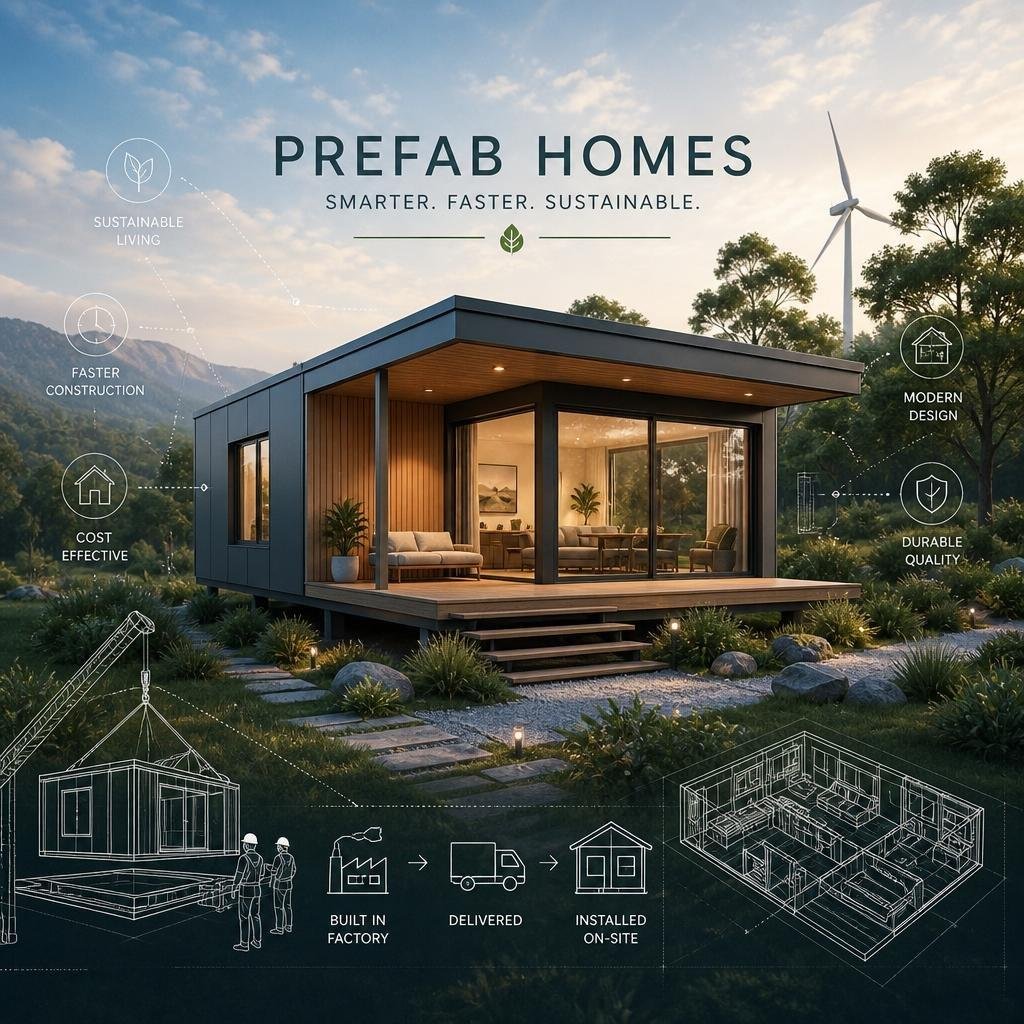
Prefab Homes: A Complete Guide to Cost, Benefits, Types, and Buying Tips
Prefab homes are no longer the “cookie-cutter” housing option many people imagine. Today’s prefabricated homes can be stylish, energy-efficient, durable, and highly customizable. From sleek modern modular homes to cozy cabin-style panelized houses, prefab construction is helping homeowners build faster, often with less waste and more predictable costs.
If you are exploring alternatives to traditional site-built construction, this comprehensive guide will walk you through everything you need to know about prefab homes, including types, benefits, costs, financing considerations, design options, and practical tips for choosing the right prefab home builder.
What Are Prefab Homes?
Prefab homes, short for prefabricated homes, are houses built partly or entirely in a factory before being transported to a building site for final assembly. Instead of constructing every component outdoors from scratch, many parts of the home are manufactured in a controlled environment.
This factory-built process can improve quality control, reduce weather-related delays, and speed up the overall construction timeline. Once the home components arrive on-site, builders connect utilities, complete foundations, join sections together, and finish exterior and interior details.
It is important to understand that “prefab” is an umbrella term. It includes several different construction methods, such as:
- Modular homes
- Manufactured homes
- Panelized homes
- Kit homes
- Tiny prefab homes
Each type has different rules, costs, timelines, and customization options.
Types of Prefab Homes
1. Modular Homes
Modular homes are built in sections, or modules, inside a factory. These modules are transported to the building site and placed on a permanent foundation using a crane. Once assembled, modular homes often look nearly identical to traditional site-built houses.
In most areas, modular homes must meet the same local and state building codes as conventional homes. This means they are typically treated like traditional real estate and may qualify for standard mortgage financing.
2. Manufactured Homes
Manufactured homes are also built in a factory, but they are constructed according to the federal HUD Code in the United States, rather than local building codes. These homes are built on a permanent chassis and can be placed on private land or in manufactured home communities.
Modern manufactured homes have improved significantly in design, comfort, and energy efficiency. However, financing, zoning, and resale value can differ from modular or site-built homes, so it is important to research local regulations before buying.
3. Panelized Homes
Panelized homes are built using factory-made wall panels, roof panels, and floor systems. These panels are delivered to the site and assembled by builders. Panelized construction offers flexibility because the home is still largely completed on-site, but many structural components are pre-built for speed and precision.
4. Kit Homes
Prefab kit homes arrive as a package of pre-cut materials and components. They may be assembled by a professional contractor or, in some cases, experienced DIY homeowners. Kit homes are popular for cabins, vacation homes, guest houses, and small primary residences.
5. Tiny Prefab Homes
Tiny prefab homes are compact factory-built homes designed for minimal living. They may be built on a foundation or on wheels, depending on the design and local regulations. These homes are popular among people seeking affordability, simplicity, and lower environmental impact.
| Prefab Home Type | Best For | Key Feature |
|---|---|---|
| Modular Home | Primary residences | Built to local codes |
| Manufactured Home | Affordable housing | Built to HUD Code |
| Panelized Home | Custom designs | Factory-built panels |
| Kit Home | Cabins and DIY projects | Pre-cut materials |
| Tiny Prefab Home | Minimalist living | Compact footprint |
Why Are Prefab Homes Becoming So Popular?
The demand for prefab homes has grown as buyers look for faster, smarter, and more affordable ways to build. Rising construction costs, labor shortages, sustainability concerns, and changing lifestyle preferences have all contributed to the growing interest in modern prefab homes.
Unlike older perceptions of factory-built housing, today’s prefab houses can include open floor plans, high ceilings, energy-efficient windows, solar-ready roofing, smart home technology, and premium finishes.
Benefits of Prefab Homes
Faster Construction Timeline
One of the biggest advantages of prefab homes is speed. Because much of the construction happens in a factory while site work and foundation preparation occur separately, the total build time may be shorter than traditional construction.
While timelines vary, some modular homes can be completed in a matter of months rather than a year or more. Weather delays are also reduced because factory construction is protected from rain, snow, and extreme temperatures.
More Predictable Costs
Prefab home costs are often more predictable because factory production uses standardized processes and controlled material ordering. While the final price depends on land, permits, foundation, utilities, transportation, and finishes, many buyers appreciate having a clearer estimate early in the project.
Energy Efficiency
Many energy-efficient prefab homes are designed with tight building envelopes, advanced insulation, efficient HVAC systems, and high-performance windows. Factory construction can also allow for precise measurements and reduced gaps, which may improve comfort and lower energy bills.
Less Construction Waste
Prefab construction can reduce waste because materials are measured and cut in a controlled facility. Leftover materials may be reused more efficiently in a factory setting than on a traditional job site.
Consistent Quality Control
Factory-built homes are assembled under controlled conditions with repeated inspections throughout the process. This can lead to consistent workmanship and fewer weather-related defects, such as moisture exposure during framing.
Design Flexibility
Many people assume prefab homes offer limited design choices, but that is no longer true. Buyers can choose from standard floor plans or work with companies that offer custom prefab homes. Options may include exterior siding, rooflines, kitchen layouts, flooring, cabinetry, bathroom finishes, and smart home features.
How Much Do Prefab Homes Cost?
The cost of prefab homes varies widely depending on size, location, design complexity, materials, site conditions, and builder. A small prefab cabin may cost much less than a large luxury modular home with custom finishes.
When researching prefab house costs, it is important to distinguish between the base home price and the total finished cost. The base price may only include the factory-built structure, while the final cost may include land, excavation, foundation, utility connections, delivery, crane fees, permits, taxes, landscaping, garages, decks, and interior upgrades.
| Cost Category | What It May Include | Budget Tip |
|---|---|---|
| Base Home Price | Factory-built structure | Ask what is included |
| Land | Lot purchase or preparation | Check zoning first |
| Foundation | Slab, crawlspace, or basement | Get soil testing |
| Delivery | Transport and crane setup | Confirm distance fees |
| Utilities | Water, sewer, power, gas | Price early |
| Permits | Local approvals and inspections | Allow extra time |
As a general rule, prefab homes can sometimes be more affordable than comparable site-built homes, but they are not automatically “cheap.” High-end prefab homes with premium finishes can cost as much as, or more than, traditional custom homes. The best approach is to compare total project costs, not just the advertised starting price.
Prefab Homes vs. Traditional Homes
Both prefab homes and traditional site-built homes can provide excellent long-term value. The right choice depends on your budget, timeline, location, and design priorities.
Prefab Homes May Be Better If You Want:
- A faster building process
- More predictable construction scheduling
- Reduced material waste
- Factory-controlled quality
- Modern design with efficient layouts
Traditional Homes May Be Better If You Want:
- Maximum on-site customization
- A highly complex architectural design
- More flexibility during construction changes
- A build process familiar to local contractors
In many cases, the final appearance and performance of a well-built modular prefab home can be very similar to a conventional home. The difference is mainly in how and where the home is constructed.
Are Prefab Homes Durable?
Yes, quality prefab homes can be very durable. Modular homes, for example, must be strong enough to withstand transportation from the factory to the building site. This often means the structure is reinforced during the manufacturing process.
Durability depends on the builder, materials, foundation, installation quality, climate considerations, and maintenance. A well-designed prefab home placed on a proper foundation can last for decades, just like a traditional home.
Are Prefab Homes Energy Efficient?
Many prefab homes are designed with energy performance in mind. Common energy-efficient features include:
- High-quality insulation
- Double- or triple-pane windows
- Energy-efficient heating and cooling systems
- LED lighting
- Smart thermostats
- Low-flow plumbing fixtures
- Solar-ready roof designs
- Air sealing for reduced drafts
If sustainability is a top priority, look for prefab home builders that offer green certifications, net-zero-ready designs, recycled materials, low-VOC finishes, and passive house principles.
Financing a Prefab Home
Financing depends on the type of prefab home and how it is classified. Modular homes on permanent foundations are often financed similarly to traditional homes. Manufactured homes may have different loan options, especially if the homeowner does not own the land.
Common financing options may include:
- Construction loans: Used during the building phase and sometimes converted into a mortgage.
- Conventional mortgages: Often available for modular homes on permanent foundations.
- FHA loans: May be available for qualifying manufactured or modular homes.
- VA loans: Eligible veterans may qualify depending on property type and lender rules.
- Chattel loans: Sometimes used for manufactured homes not classified as real property.
Before choosing a home model, speak with lenders who have experience with prefab home financing. Not all lenders handle factory-built homes the same way.
Zoning, Permits, and Land Considerations
Before buying a prefab home, confirm that your land can legally support the type of home you want. Zoning rules vary by city, county, and neighborhood. Some areas allow modular homes but restrict manufactured homes. Others may have minimum square footage requirements, roof pitch rules, exterior design standards, or homeowner association guidelines.
Important land-related questions include:
- Is the lot zoned for residential use?
- Are prefab or manufactured homes allowed?
- Is there road access for delivery trucks and cranes?
- Are utilities available nearby?
- Will the site require grading, tree removal, or drainage work?
- Is the soil suitable for the planned foundation?
- Are there flood zone, wildfire, or wind-load requirements?
Site preparation can significantly affect the final cost, so investigate these details early.
Design Options for Modern Prefab Homes
Modern prefab homes come in a wide range of styles. Whether you prefer minimalist architecture or a traditional farmhouse look, there are prefab designs to match many tastes.
Popular Prefab Home Styles
- Modern minimalist: Clean lines, large windows, open layouts
- Scandinavian-inspired: Light wood, simple forms, cozy interiors
- Farmhouse: Gabled roofs, porches, warm finishes
- Cabin-style: Rustic materials, compact layouts, natural surroundings
- Luxury prefab: Premium finishes, expansive glass, custom design
- Tiny prefab: Small footprint, efficient storage, lower maintenance
Many prefab builders offer floor plans that can be modified. Common customization choices include kitchen upgrades, bathroom layouts, exterior materials, bedroom count, roof style, window placement, and energy packages.
Practical Tips for Buying a Prefab Home
1. Compare Total Project Cost, Not Just Base Price
A low advertised price can be attractive, but it may not include delivery, foundation, site work, permits, utility hookups, or interior finishes. Ask for a detailed “turnkey” estimate whenever possible.
2. Research the Builder Carefully
Choose a prefab home company with strong reviews, clear contracts, transparent pricing, and experience building in your region. Ask to see completed projects and speak with past customers if possible.
3. Visit a Model Home
If the builder has a model home or factory tour, take advantage of it. Seeing materials, finishes, and construction quality in person can help you make a more confident decision.
4. Understand What Is Customizable
Some prefab companies offer limited design changes, while others specialize in custom prefab homes. Ask which features can be changed and how those changes affect cost and timeline.
5. Plan for Site Access
Prefab modules may require large trucks, wide roads, and crane access. Narrow roads, steep driveways, low bridges, or overhead power lines can complicate delivery.
6. Check Warranty Coverage
Review warranties for structural components, appliances, mechanical systems, roofing, and workmanship. Understand who is responsible for factory-related issues versus on-site installation issues.
7. Build a Contingency Budget
Even with prefab construction, unexpected costs can occur. Soil issues, utility extensions, permit delays, or design changes may increase expenses. A contingency budget of 10% to 20% is often wise.
Example Scenario: A Small Modular Home Build
Imagine a couple purchasing a rural lot and choosing a 1,400-square-foot modular home with three bedrooms and two bathrooms. Their goal is to move in quickly while keeping energy costs low.
They select a simple rectangular floor plan to reduce construction complexity. The factory builds the modules while a local contractor prepares the foundation, well, septic system, and driveway. After delivery, a crane sets the modules in one day, and the finishing crew completes siding connections, roofing seams, utility hookups, flooring transitions, and inspections.
By choosing a standard floor plan with upgraded insulation, efficient windows, and a heat pump system, the homeowners get a comfortable, modern prefab home with a shorter construction schedule than many traditional builds. This kind of scenario is one reason prefab housing appeals to buyers looking for speed, quality, and practical design.
Common Myths About Prefab Homes
Myth 1: Prefab Homes Are Low Quality
Modern prefab homes can be built with high-quality materials and must meet applicable building standards. Quality depends on the manufacturer, design, installation, and maintenance-just like any home.
Myth 2: Prefab Homes All Look the Same
Today’s prefab houses come in many styles, from traditional ranch homes to luxury modern designs. Many builders offer customization options to personalize the home.
Myth 3: Prefab Homes Always Cost Less
Prefab homes can be cost-effective, but the final price depends on many factors. Land, site work, transportation, finishes, and local labor can make a major difference.
Myth 4: Prefab Homes Are Hard to Finance
Some prefab homes, especially modular homes on permanent foundations, can qualify for conventional financing. However, financing rules vary, so it is important to work with experienced lenders.
Prefab Homes FAQ
Are prefab homes a good investment?
Prefab homes can be a good investment when built well, placed on desirable land, properly maintained, and compliant with local codes. Modular homes often appreciate similarly to traditional homes, depending on the market.
How long does it take to build a prefab home?
The timeline varies, but many prefab homes can be completed faster than traditional site-built homes. Depending on permits, factory schedule, site work, and complexity, the process may take several months.
Can prefab homes be customized?
Yes. Many prefab home builders offer customization options, including floor plan changes, exterior finishes, cabinetry, flooring, windows, and energy-efficient upgrades. The level of customization depends on the company.
Do prefab homes need a foundation?
Many prefab homes, especially modular and panelized homes, are placed on permanent foundations such as slabs, crawlspaces, or basements. Manufactured homes may have different foundation options depending on local rules and financing requirements.
Are prefab homes safe in storms?
Prefab homes built to applicable building codes can be designed for local wind, snow, and seismic requirements. In storm-prone areas, ask about wind ratings, anchoring systems, roofing materials, and code compliance.
Final Thoughts: Is a Prefab Home Right for You?
Prefab homes offer a practical and modern path to homeownership for many buyers. They can provide faster construction, energy-efficient design, reduced waste, and more predictable planning compared to some traditional building methods. Whether you are interested in a modular home, manufactured home, panelized house, tiny prefab home, or custom prefab design, the key is to understand the full process before committing.
Start by researching local zoning, comparing reputable prefab home builders, reviewing total project costs, and speaking with lenders who understand factory-built housing. With careful planning, a prefab home can be stylish, comfortable, durable, and well-suited to your lifestyle.
As housing needs continue to evolve, prefabricated homes are likely to play an even bigger role in the future of residential construction. For homeowners seeking speed, efficiency, and thoughtful design, prefab housing is definitely worth a closer look.